What we can do
Capabilities & capacity
Seven HPDC machines from 80T to 1250T, gravity die casting, and low pressure die casting in development. 1,800 tonnes of annual capacity today, expandable to 2,700 tonnes, across four units in Satara, with CNC machining, finishing and assembly under the same roof. Everything below is what we actually run, with no outsourced capability presented as our own.
How a part gets made
From die design to dispatch
Every order, whether high pressure or gravity cast, moves through the same eight stages under one roof.
Die design
Tooling engineered from 3D data and DFM review.
Melting & alloying
Alloy composition verified by spectrometer.
Casting
High pressure injection or gravity pour, per part.
Trimming
Runners and flash removed on trim presses.
CNC machining
Tight-tolerance features finished in-house.
Surface finishing
Shot blasting, coating or plating as specified.
Inspection
100% visual check plus air gauging on critical dimensions.
Dispatch
Packed and documented for domestic or export.
New part development
From enquiry to approved production
We work to automotive-grade development discipline, so a new part reaches production without surprises.
Enquiry & DFM
Drawing review, feasibility and design-for-manufacture feedback.
APQP planning
Process flow, PFMEA and control plan developed up front.
Tooling
Die design support, with tooling manufactured through trusted partners.
Sampling
Trial shots, dimensional layout and first article inspection.
PPAP & production
Submission, approval and controlled series production.
Documentation we routinely provide
Manufacturing systems we work to
Our engineering team applies these practices across the business, not as certifications on a wall but as the way production is actually run.
Infrastructure
What's on the shop floor
Die casting cells
Cold-chamber HPDC machines, 80T to 1250T.
Gravity casting bays
Tilt-pour and permanent mould stations.
CNC machining centers
Turning and milling for finished tolerances.
Tooling coordination
Die design support and trial sampling in-house.
Trimming & finishing
Deflashing presses and shot blast units.
Quality lab
Spectrometer, X-ray, air gauging and inspection equipment.
Infrastructure in detail
Machines & equipment
The actual plant behind the components: casting, machining, finishing and material handling.
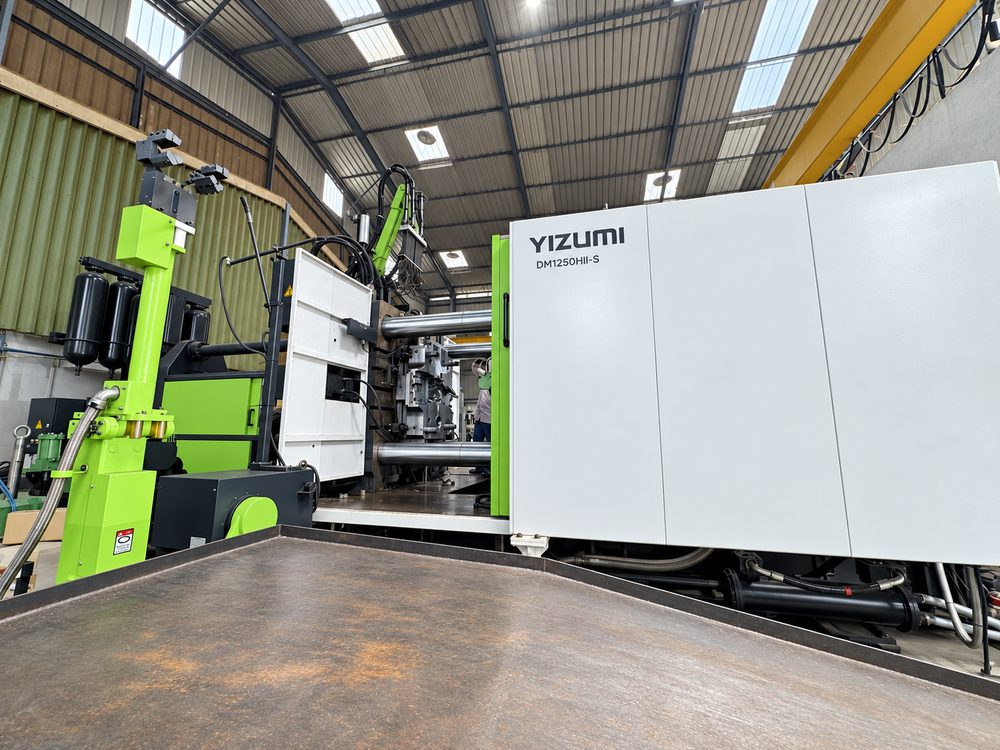
High Pressure Die Casting
7 cold-chamber machines · Yuzumi, LK & Lanson| Tonnage | Type | Typical casting weight |
|---|---|---|
| 80 T | Cold chamber | From a few grams |
| 135 T | Cold chamber | Small precision parts |
| 160 T | Cold chamber | Small housings & brackets |
| 280 T | Cold chamber | Housings & covers |
| 500 T | Cold chamber | Medium housings |
| 1000 T | Cold chamber | Large housings |
| 1250 T | Cold chamber | Up to 15+ kg |
A new 700T machine is currently under negotiation with Yuzumi and Haitian.
Gravity Die Casting
Tilting & horizontal GDC machinesMachining, finishing & handling
Secondary operations, all in-housePlanned investments
Capability currently being added20,000 sq.ft plant secured; machines under negotiation.
For pressure-tight castings requiring sealed porosity.
Further vertical machining capacity.
Melting & metal treatment
Where casting quality is actually decidedWe are among the few aluminium casters using electric resistance furnaces rather than fuel-fired. With no burning of hydrocarbons, there is no combustion by-product in the melt, which means reduced hydrogen pick-up and lower porosity in the casting, alongside a cleaner working atmosphere on the shop floor.
Metal treatment carried out on every melt
Aluminium alloys handled
Standard grades plus customer-specific alloysHigh Pressure Die Casting
Gravity Die Casting
Customer-specific and custom alloys can be arranged on request.
Inside the plant
The shop floor, as it actually looks
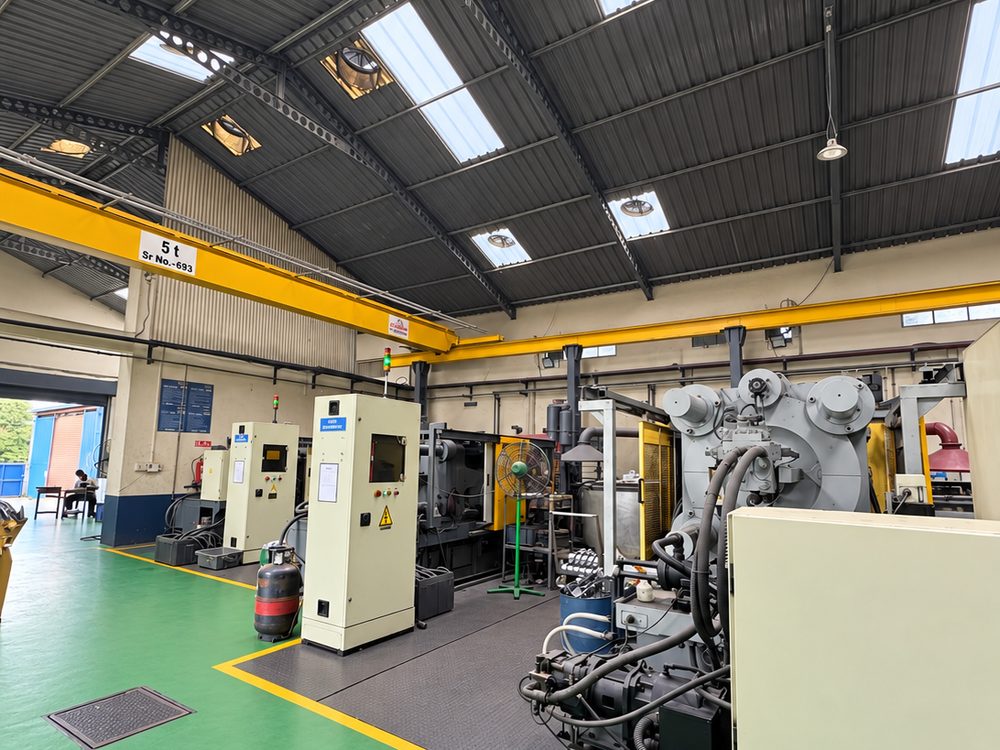
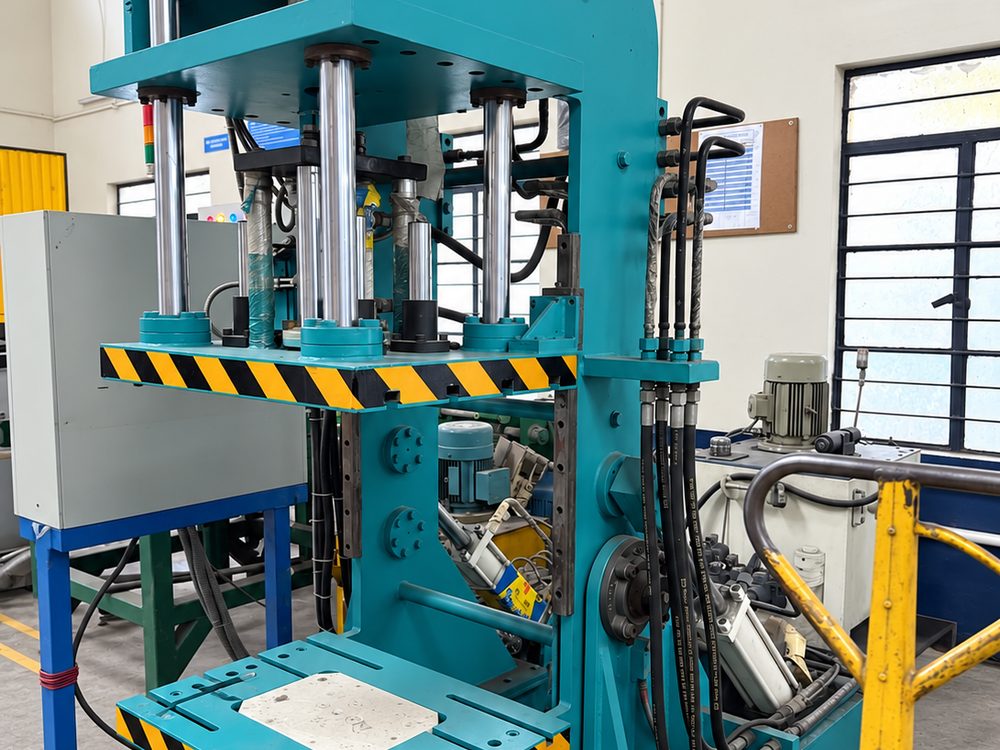
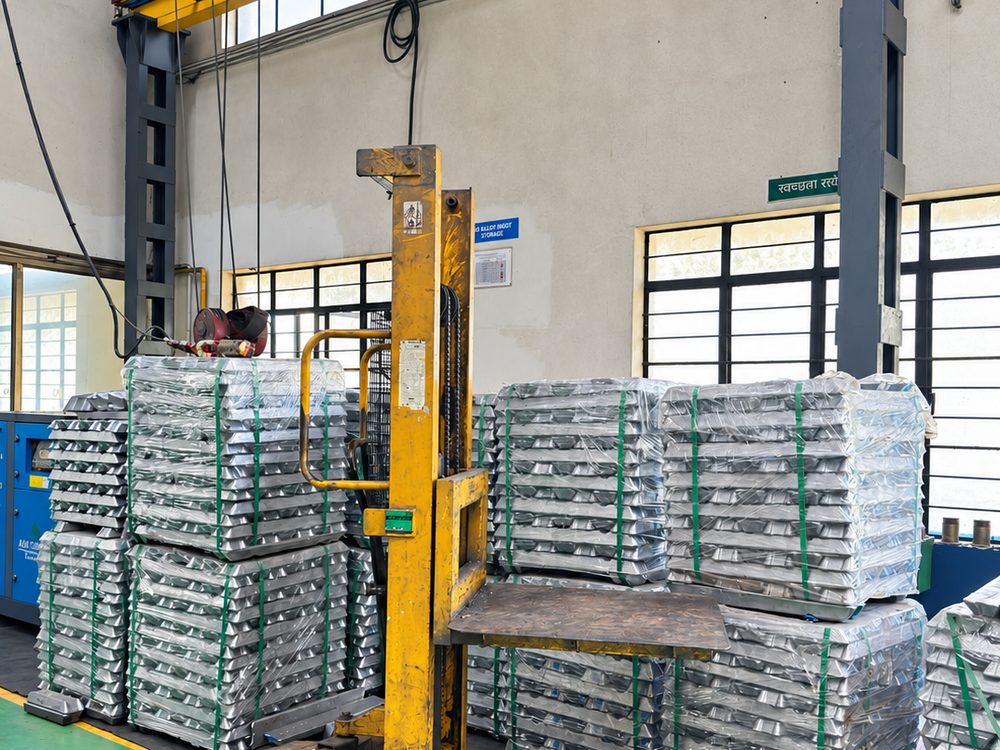
No stock photography. These are our own bays in Satara — the machines, the material store and the finishing lines that your parts would run through.
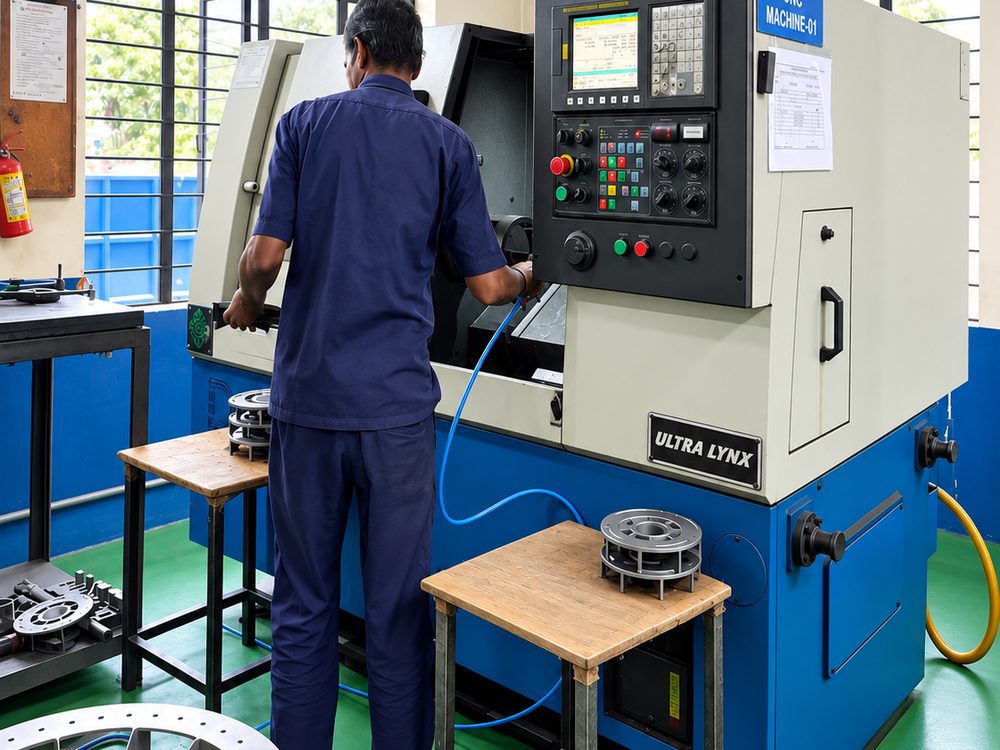
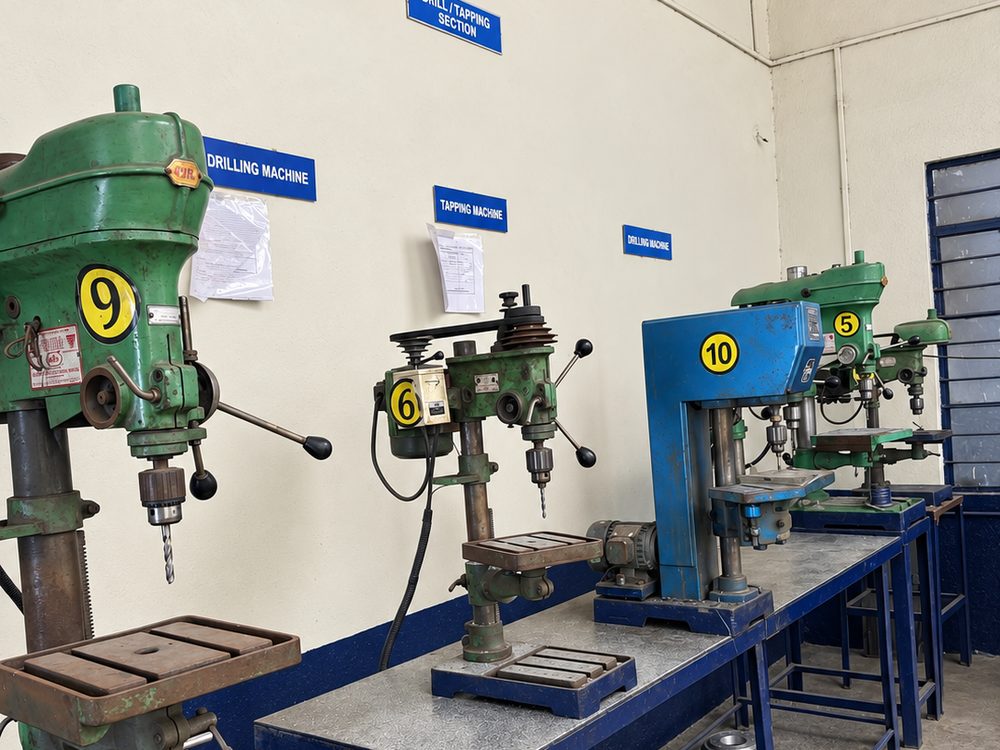
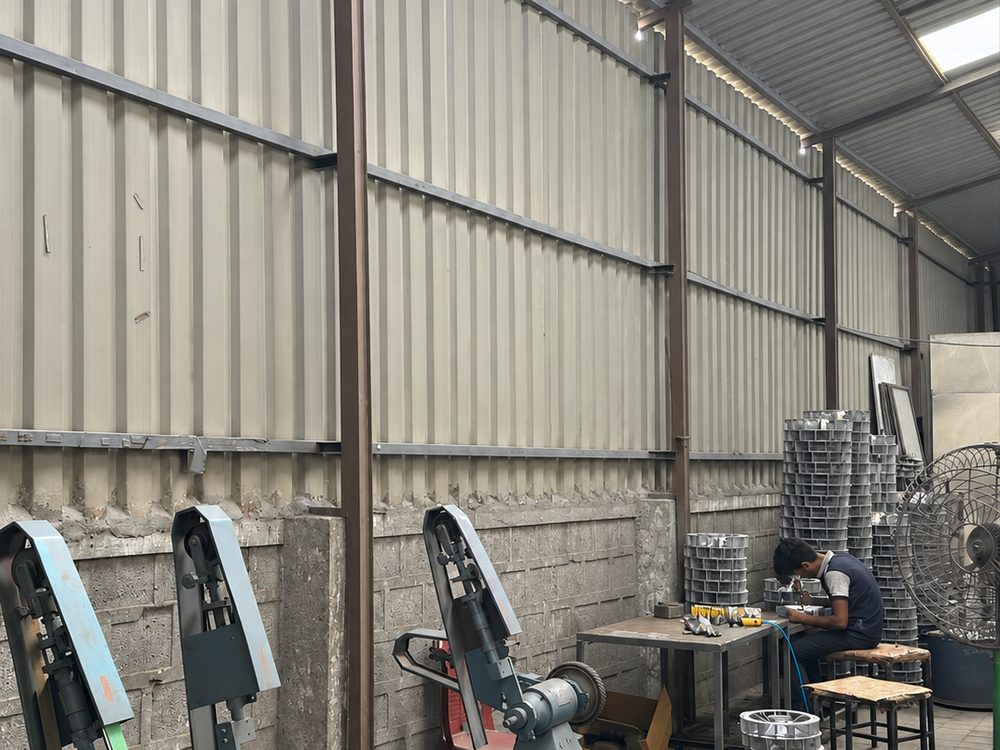
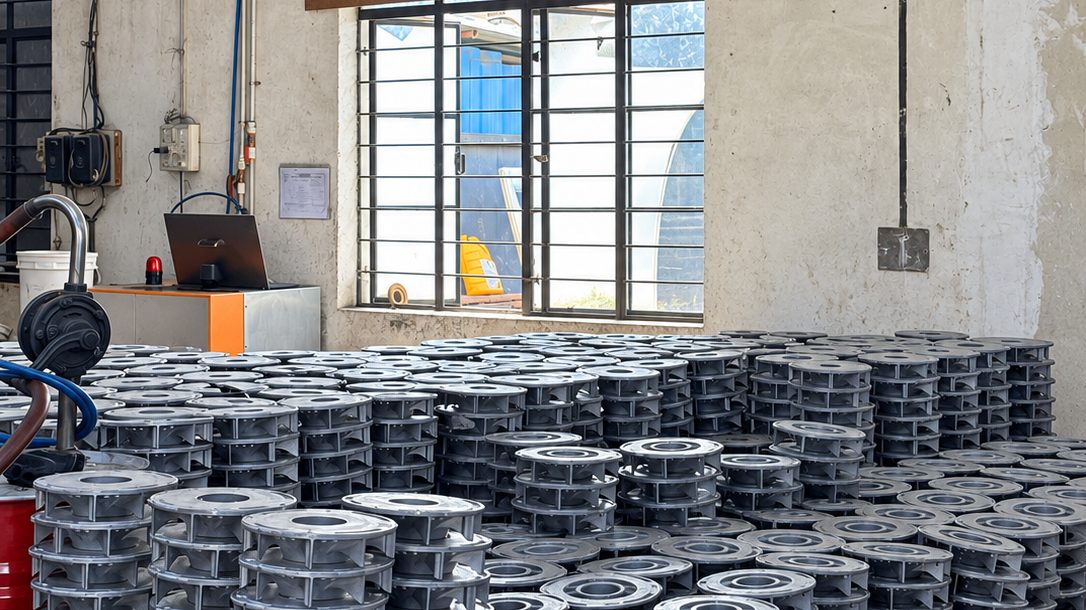
Repeatability
Thousands of identical parts, not one good sample
Process parameters are recorded and controlled so part number 10,000 measures the same as part number one, verified by 100% visual inspection and air gauging on critical dimensions.
Capacity & capabilities
Can we make your part?
Four questions decide almost every enquiry. Pick the one you're asking and the answer is right there.
Yes, if it's aluminium and fits the envelope below. We run both high pressure and gravity die casting, so the process is matched to your part rather than forced on it.
Choose HPDC when
- Walls are thin (1.2–8 mm) and geometry is complex
- You need high volumes at a low piece cost
- Tight, repeatable dimensions matter most
Choose gravity when
- Sections are thicker (3–15 mm) or structurally loaded
- The part must be pressure-tight or high-integrity
- Volumes are low to medium, with lower tooling cost
Not sure which applies? Use the process finder or send us the drawing.
Yes, from first samples through to full production runs. Four operational units and a machine range spanning 80T to 1250T mean small trial batches and high-volume programmes run side by side.
Which machine your part runs on
| Machine size | Typical part weight | Example components |
|---|---|---|
| 80 – 160 T | Up to ~0.5 kg | Sensor housings, small covers, brackets |
| 280 T | ~0.5 – 2 kg | Motor end covers, electrical enclosures |
| 500 T | ~2 – 5 kg | Pump & gearbox housings, LED heat sinks |
| 1000 & 1250 T | ~5 – 15 kg | Crankcases, large structural housings |
Indicative guide. The right machine depends on projected area and geometry, which we confirm at quotation. Current annual capacity is 1,800 tonnes, with headroom to expand to 2,700 tonnes as demand grows.
Yes, and we measure it rather than assume it. Every batch is checked from incoming alloy through to final inspection, with records traceable back to the melt.
Our traceability and process controls are influenced by medical device manufacturing practice. It is a discipline that demands every batch be accounted for, rather than sampled. All dimensional and geometrical measurement is carried out at the industry-standard reference temperature of 20 °C (68 °F).
In-house inspection
- 100% visual inspection at every stage of production
- 100% critical dimension checks using air gauging
- Spectrometer chemical analysis on every alloy batch
- Leak testing arranged on demand through a specialist partner
- CMM inspection arranged on demand when required
- All dimensional & geometrical measurement at 20 °C (68 °F)
Traceability & controls
- Batch traceability from melt through to dispatch
- Process discipline informed by medical device manufacturing
- First Article Inspection (FAI) on every new tool
- PPAP documentation and sign-off
- Pre-dispatch packing audit
Yes. A casting can leave here as a finished, assembled, ready-to-fit part. Casting, machining, finishing and assembly all happen in-house, so you deal with one supplier and one point of accountability instead of coordinating four.
What this saves you
- No handoffs between casting, machining and finishing vendors
- One quality record covering the whole part
- Fewer freight legs and less handling damage
- Faster problem-solving, because the whole chain is in one place
Tooling & new parts
- Die design support, tooling built through trusted partners
- DFM review from your 3D data before cutting steel
- Typical new tool lead time: 2–4 weeks
- Trial samples and sign-off before production
Have a component in mind? Send us the drawing and we'll tell you what it takes.